Transforming Startup Visions into Reality: A Guide to Business Structuring and Lending


For many entrepreneurs, the journey from an initial idea to a thriving business is filled with challenges and decisions. One of the most crucial steps in this process is establishing a solid business structure and securing the necessary funding. Understanding these elements can make the difference between success and failure.
Understanding Business Structures
Choosing the right business structure is foundational to your startup's success. The structure you select will affect everything from daily operations to taxes and the level of risk you're exposed to. Common structures include sole proprietorships, partnerships, limited liability companies (LLCs), and corporations. Each has its own advantages and legal implications.

Sole Proprietorship and Partnerships
Sole proprietorships are the simplest form of business structure, ideal for solo entrepreneurs. However, they offer no personal liability protection. Partnerships, on the other hand, are suitable for businesses owned by two or more individuals. They allow for shared responsibility but also come with shared liability.
LLCs and Corporations
LLCs provide a flexible structure with liability protection, making them popular among small business owners. Corporations, while more complex, offer the strongest protection against personal liability and are often the preferred choice for startups planning to grow rapidly or seek outside investment.
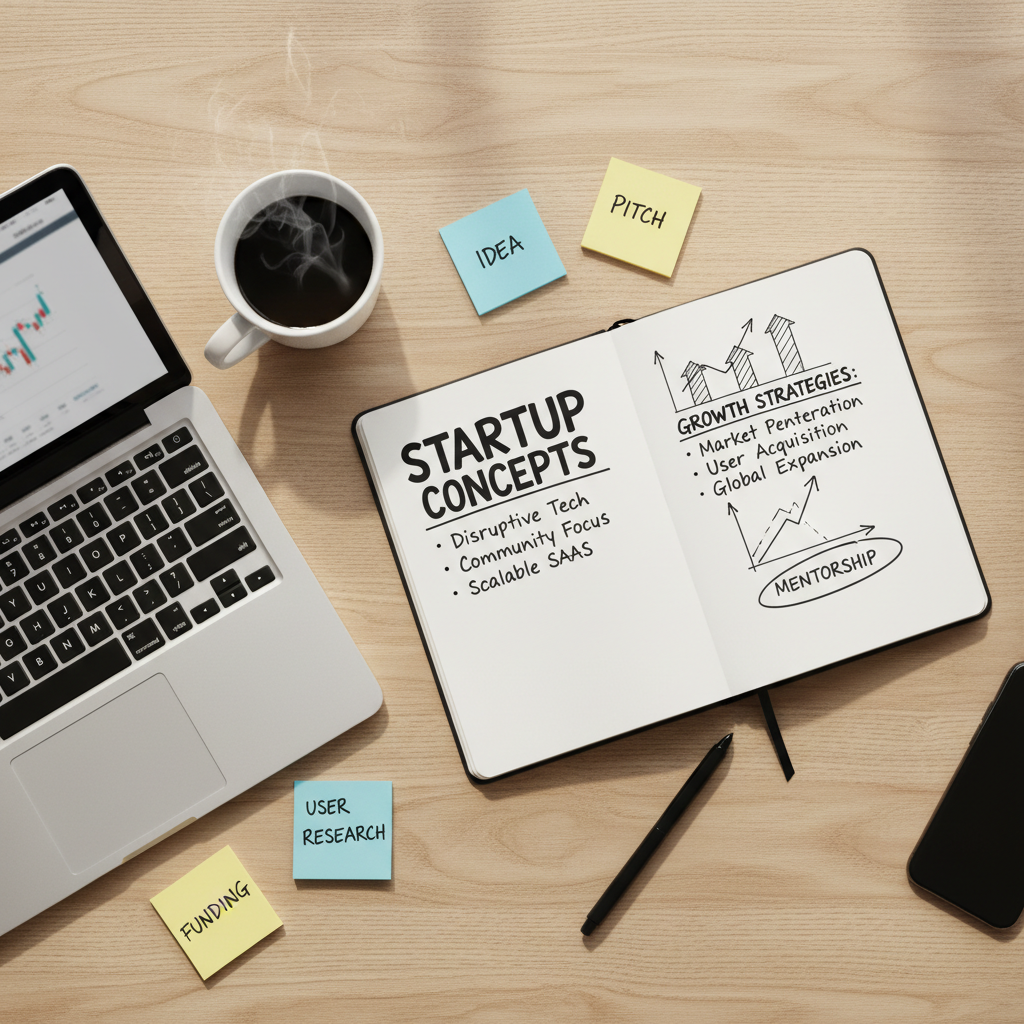
Navigating the Lending Landscape
Once your business structure is in place, the next step is often securing funding. There are various lending options available, each with its own set of requirements and benefits. Understanding these can help you choose the best fit for your business needs.
Traditional Bank Loans
Traditional bank loans are a common choice for many startups. They typically offer lower interest rates but require a solid business plan and credit history. It's important to be prepared with detailed financial projections and a clear plan for how the funds will be used.

Alternative Lending Options
For those who may not qualify for traditional loans, alternative lending options such as online lenders, peer-to-peer lending, and crowdfunding can be viable solutions. These options often have more flexible requirements and faster approval times, though they may come with higher interest rates.
Key Considerations for Success
Successfully transforming a startup vision into reality requires careful planning and strategic decisions. Always consider the long-term implications of your business structure and lending choices. It's often beneficial to consult with financial advisors or legal experts to ensure you're making informed decisions.

Remember, the path to success is rarely a straight line. By understanding your options and preparing thoroughly, you can navigate the challenges of business structuring and lending, turning your entrepreneurial dreams into reality.