Financial Forecasting: A Guide for Small Business Owners


Understanding Financial Forecasting
Financial forecasting is an essential tool for small business owners seeking to navigate the uncertain waters of business finance. By leveraging data and informed projections, you can make strategic decisions that drive growth and sustainability. But what exactly is financial forecasting, and how can it benefit your business?
In essence, financial forecasting involves predicting your business's future financial performance. This includes estimating revenue, expenses, and net profit over a specified period. It's a proactive approach that helps in setting realistic goals and preparing for potential challenges.

The Importance of Financial Forecasting
For small businesses, accurate financial forecasting is crucial. It enables you to allocate resources efficiently, anticipate cash flow issues, and secure funding from investors or lenders. A well-prepared financial forecast can serve as a roadmap, guiding your business toward its objectives.
Moreover, financial forecasting can help identify trends and patterns within your business, providing valuable insights into areas that may require attention or improvement. This proactive stance allows you to adapt to changes swiftly and maintain a competitive edge.
Types of Financial Forecasts
There are several types of financial forecasts that small businesses can utilize. Understanding these can help tailor your approach to suit your specific needs:
- Short-term forecasts: Typically cover a period of up to one year and focus on immediate financial needs and cash flow management.
- Medium-term forecasts: Span from one to three years, useful for strategic planning and budgeting.
- Long-term forecasts: Extend beyond three years, providing a vision for major investments and growth strategies.

Steps to Create a Financial Forecast
Creating a financial forecast involves several key steps. Here's a basic outline to get you started:
- Gather historical data: Review past financial statements to identify trends and patterns.
- Make assumptions: Develop realistic assumptions based on market conditions, industry trends, and your business goals.
- Draft projections: Use your data and assumptions to create projected income statements, balance sheets, and cash flow statements.
- Review and adjust: Regularly compare your forecasts with actual performance and adjust as necessary.
By following these steps, you can create a robust financial forecast that supports your business strategy and operational planning.
Tools and Resources for Financial Forecasting
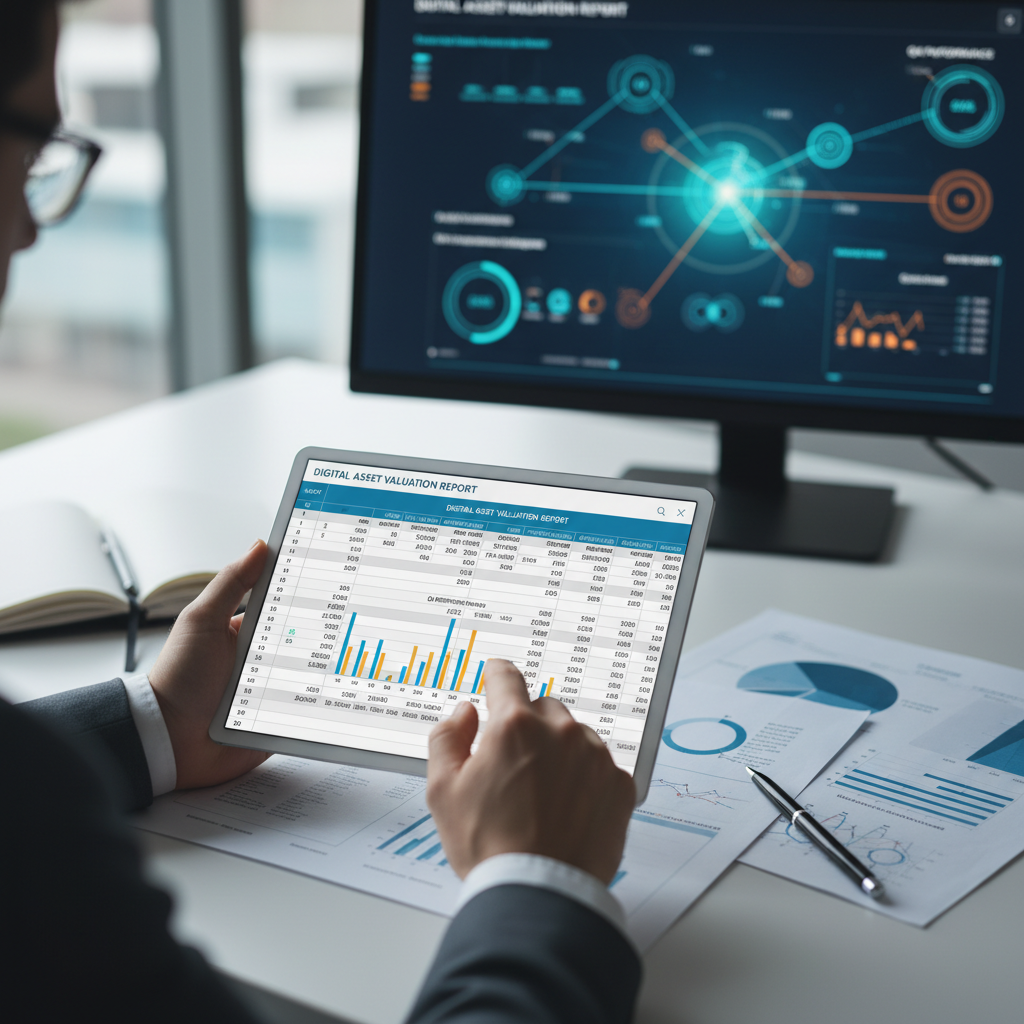
Several tools and resources can assist in financial forecasting for small businesses. Software solutions like QuickBooks, Excel, and specialized forecasting tools offer templates and automation features to streamline the process. Online resources and courses can also provide valuable insights and best practices.
Additionally, consulting with a financial advisor or accountant can offer expert guidance tailored to your business's unique needs. They can provide a fresh perspective and help refine your forecasting approach.
Conclusion
Financial forecasting is more than just predicting numbers; it's about setting your small business on a path to success. By understanding and implementing effective forecasting techniques, you can make informed decisions that enhance your business's resilience and growth potential.
Embrace financial forecasting as a strategic tool, and your business will be better positioned to face future challenges and seize opportunities. Start today, and watch your business thrive.