Essential Bookkeeping Tips for Startups During Tax Season


As tax season approaches, startups often find themselves scrambling to organize their finances. Effective bookkeeping is crucial to ensure compliance and make the tax filing process smoother. Here are some essential tips to help your startup stay on top of its bookkeeping during this critical time.
Organize Your Financial Records
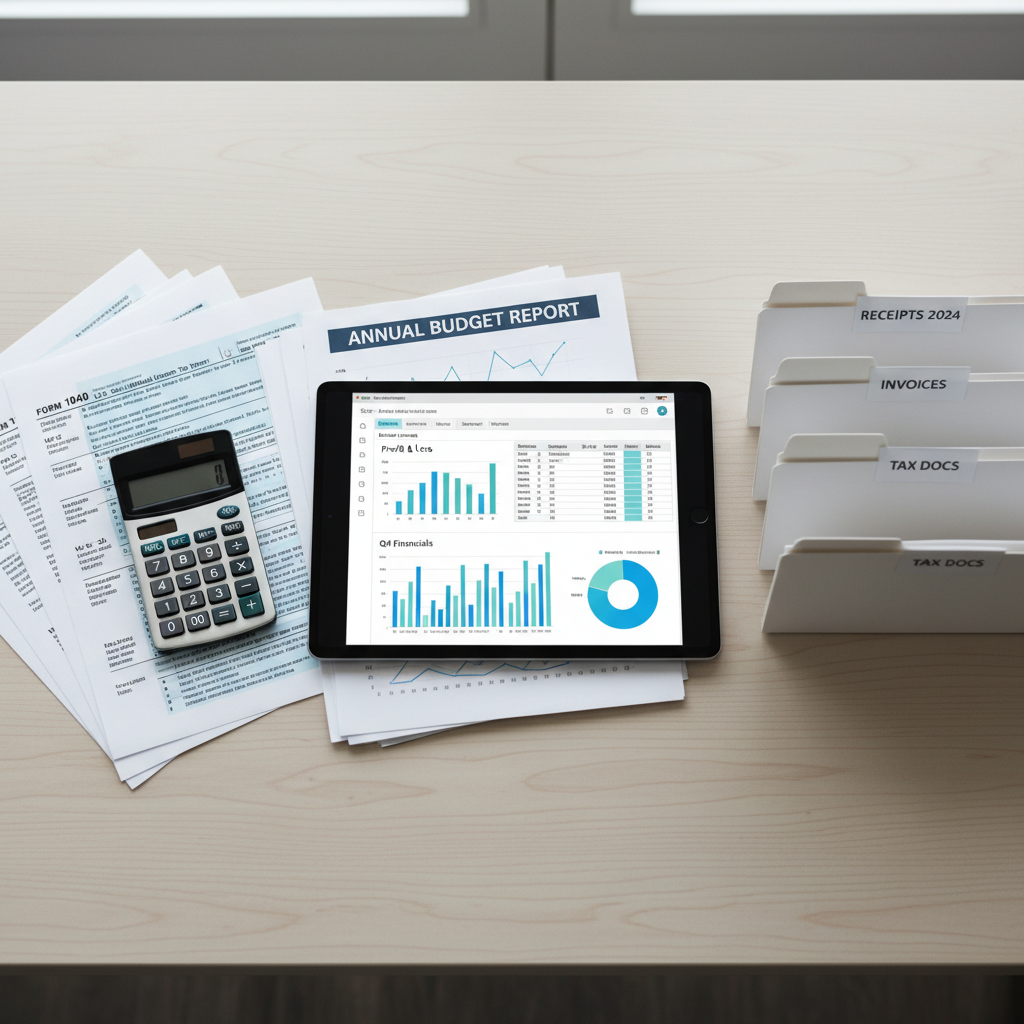
Maintaining well-organized financial records is the foundation of good bookkeeping. Start by categorizing all your expenses and income. This will not only help in tracking your financial health but also in preparing accurate tax returns. Use digital tools and software to make this process easier and more efficient.
Regularly update your records to avoid last-minute panic. Set aside time each week to review and update your financial documents. This consistent practice can save you a lot of stress when tax season rolls around.
Understand Tax Deductions
Tax deductions can significantly reduce your taxable income, which is a boon for startups operating on tight budgets. Familiarize yourself with common deductions available to businesses, such as office supplies, travel expenses, and marketing costs. Knowing which expenses are deductible will help you plan your finances better.
Consider consulting with a tax professional to ensure you are maximizing your deductions while staying compliant with tax laws. This investment can lead to substantial savings in the long run.
Use Accounting Software
Investing in reliable accounting software can streamline your bookkeeping tasks. These tools automate many of the tedious aspects of bookkeeping, such as data entry and receipt tracking. Many accounting software options also integrate with other financial tools, providing a comprehensive view of your financial situation.

Keep Personal and Business Finances Separate
One of the most common mistakes new entrepreneurs make is mixing personal and business finances. To avoid complications, open a separate bank account for your business transactions. This separation simplifies bookkeeping and ensures that your personal finances do not impact your business records.
Additionally, using a dedicated business credit card for business expenses can further simplify tracking and managing your financial records.
Stay Compliant with Tax Regulations
Staying informed about tax regulations is essential for every startup. Tax laws can change, and keeping up with these changes ensures that your business remains compliant. Attend workshops, webinars, and consult with tax professionals to stay updated on any new requirements or opportunities.

Plan for the Future
Effective bookkeeping is not just about managing current finances but also planning for the future. Use your financial data to create forecasts and set realistic financial goals. This proactive approach will help you make informed business decisions and prepare for any financial challenges ahead.
By implementing these essential bookkeeping tips, startups can navigate tax season with confidence, ensuring compliance and paving the way for financial success.